The farmstay category in India has grown fast — and that growth has brought with it a wide range of quality. A well-run farmstay is one of the best hospitality experiences available anywhere. A poorly run one is a rural property with bad food, an unresponsive host, and a pool that hasn't been cleaned. The difference between the two is not always obvious from photographs and listing copy.
This guide covers what actually separates a good farmstay from a disappointing one — the markers to look for, the questions to ask before booking, and the red flags that should give you pause.
1. The Farm is Actually Active
This seems basic, but it matters more than anything else on this list. A farmstay that has genuine agricultural activity — crops being grown and harvested, visible farm operations, a kitchen team that sources from the property — is a fundamentally different experience from a rural villa that has added "farmstay" to its listing to capitalise on the trend.
What to look for: Photographs of the actual farm — not just the pool and the rooms. Mentions of specific crops, harvests, or seasonal produce. If the listing focuses entirely on the accommodation and says nothing substantive about the farm, that's a signal.
Questions to ask: What is currently growing on the property? What does the kitchen use from the farm for meals?
A farmstay team that's proud of their land will answer these questions enthusiastically. A property that's stretching the definition will give vague or deflecting answers.
2. Meals are Made On-Site from Farm Produce
Farm-to-table dining is the centrepiece of a good farmstay — and the easiest thing for a poor farmstay to fake. The marker of a genuine farm-to-table meal is that the ingredients come from the property you're staying on, not from a market supplier or an outside caterer.
What to look for: Specific mentions of farm produce in meal descriptions. References to a resident kitchen team. Menus that change seasonally. Any indication that the team harvests before cooking.
Questions to ask: Who prepares the meals? Where do the ingredients come from? Is catering outsourced or done by the property team?
A farmstay that outsources its catering has effectively removed the most important element of the farmstay experience. The food at a genuinely managed property is cooked by people who live on the farm and know what's in the ground — and the difference in quality is unmistakable.
3. Full Property Exclusivity
A farmstay where you share the property with other guest groups is a different experience from one where the entire farm is exclusively yours. Both exist — and both can be good — but the distinction matters significantly for how your trip feels.
Full exclusivity farmstays book the property to one group at a time. The pool, the outdoor spaces, the farm grounds, and the team are all yours. The experience is more personal, more private, and allows your group to establish its own rhythm without navigating around strangers.
Multi-booking farmstays operate more like a boutique resort on farm land — multiple groups on the property simultaneously. These can still offer excellent food and a good farm setting, but the exclusivity element is absent.
What to look for: Explicit mention of "private property booking" or "exclusive use." Room counts that suggest one group capacity. Pricing by the full property rather than per room.
Questions to ask: Will any other guests be on the property during our stay?
4. A Resident Hosting Team
The single biggest predictor of a good farmstay experience is whether the hosting team lives on the property. A caretaker who commutes in each morning is a fundamentally different situation from a team that is present throughout your stay — for meals, for maintenance, for any issue that comes up, and for the small attentions that make a stay feel genuinely cared for.
What to look for: Descriptions of a "resident team," "live-in caretaker," or "in-house kitchen staff." Reviews that mention specific interactions with the host or team — personal, warm references rather than generic "great service" comments.
Red flag: Listings where the property management contact is in a different city. Self-catering villas listed as farmstays with no mention of on-site staff.
5. Honest Photography and Accurate Descriptions
Good farmstays look good in real life. If the photographs are dramatic drone shots and heavily filtered pool images with no pictures of the actual farm, the bedrooms, or the food — proceed cautiously.
What to look for: Multiple photographs of the farm land itself, the kitchen/dining setup, and actual meals. Bedroom photos that show the real scale and finish of the accommodation. A consistent level of detail in the property description — specific measurements (pool size, property area), specific crops, specific pricing.
Red flag: Stock photography or generic tropical images. Pricing that's vague ("from ₹X" with no clarity on what's included). Descriptions that are long on adjectives and short on specifics.
6. Transparent Pricing with Clear Inclusions
Good farmstays are priced by the property, not per room. And what's included matters significantly — all-inclusive pricing (accommodation + all meals) versus accommodation-only changes the total cost of the stay considerably.
Questions to ask: Is pricing per property or per person? What meals are included? Are there any additional charges for activities, outdoor dining setups, or specific experiences?
A well-run farmstay should be able to answer all of these clearly and immediately. Vague pricing is often a sign of either an unsophisticated operation or an intention to add costs after booking.
The Checklist Before Booking Any Farmstay
Before confirming a farmstay booking, run through these:
- Is the farm actively cultivated? (Ask specifically)
- Are meals prepared on-site from farm produce?
- Is the full property exclusive to your group?
- Is there a resident team on-site throughout your stay?
- Does the photography show the actual farm, food, and rooms?
- Is pricing transparent and all-inclusive?
- What is the cancellation policy?
- Are recent guest reviews specific and personal?
What This Looks Like in Practice: Serene Windsor
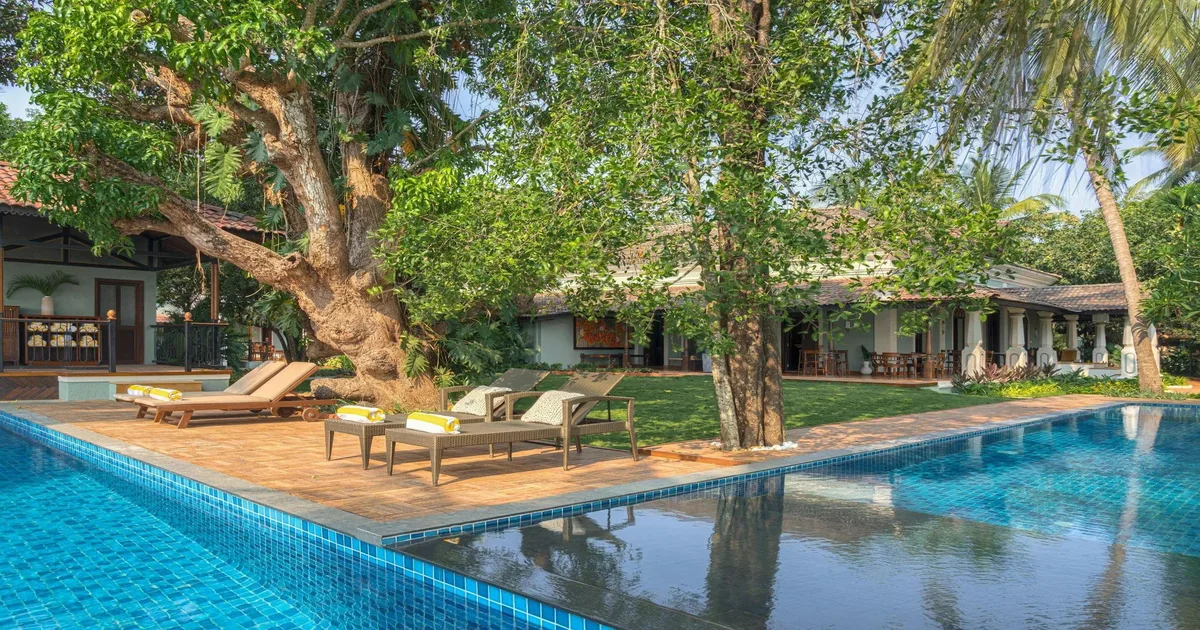
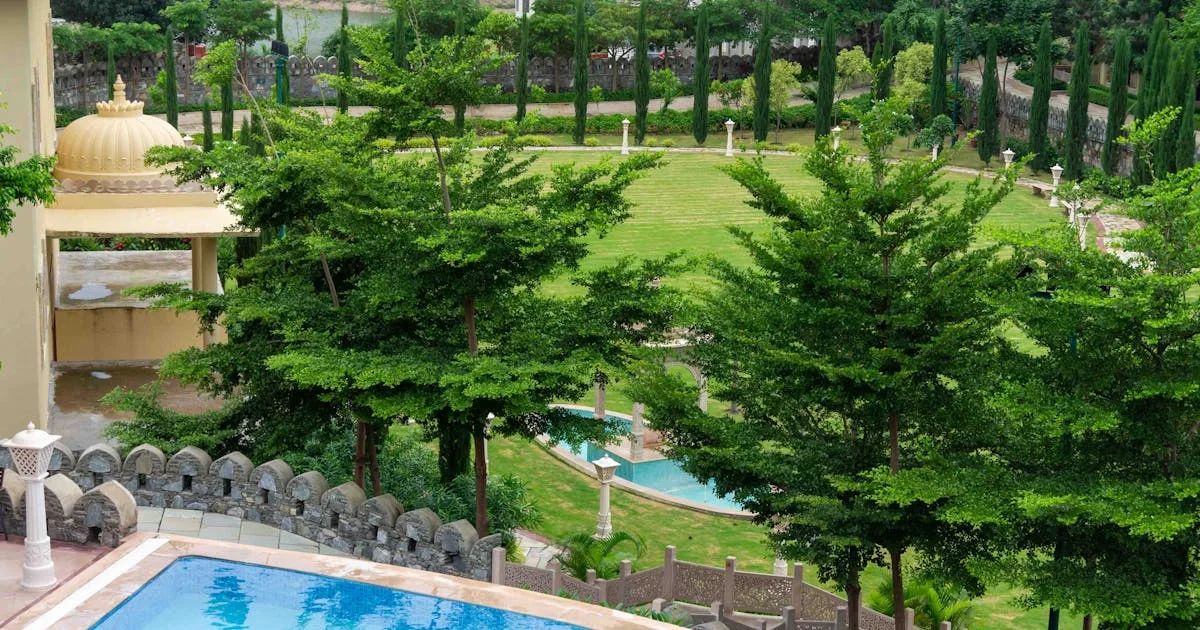
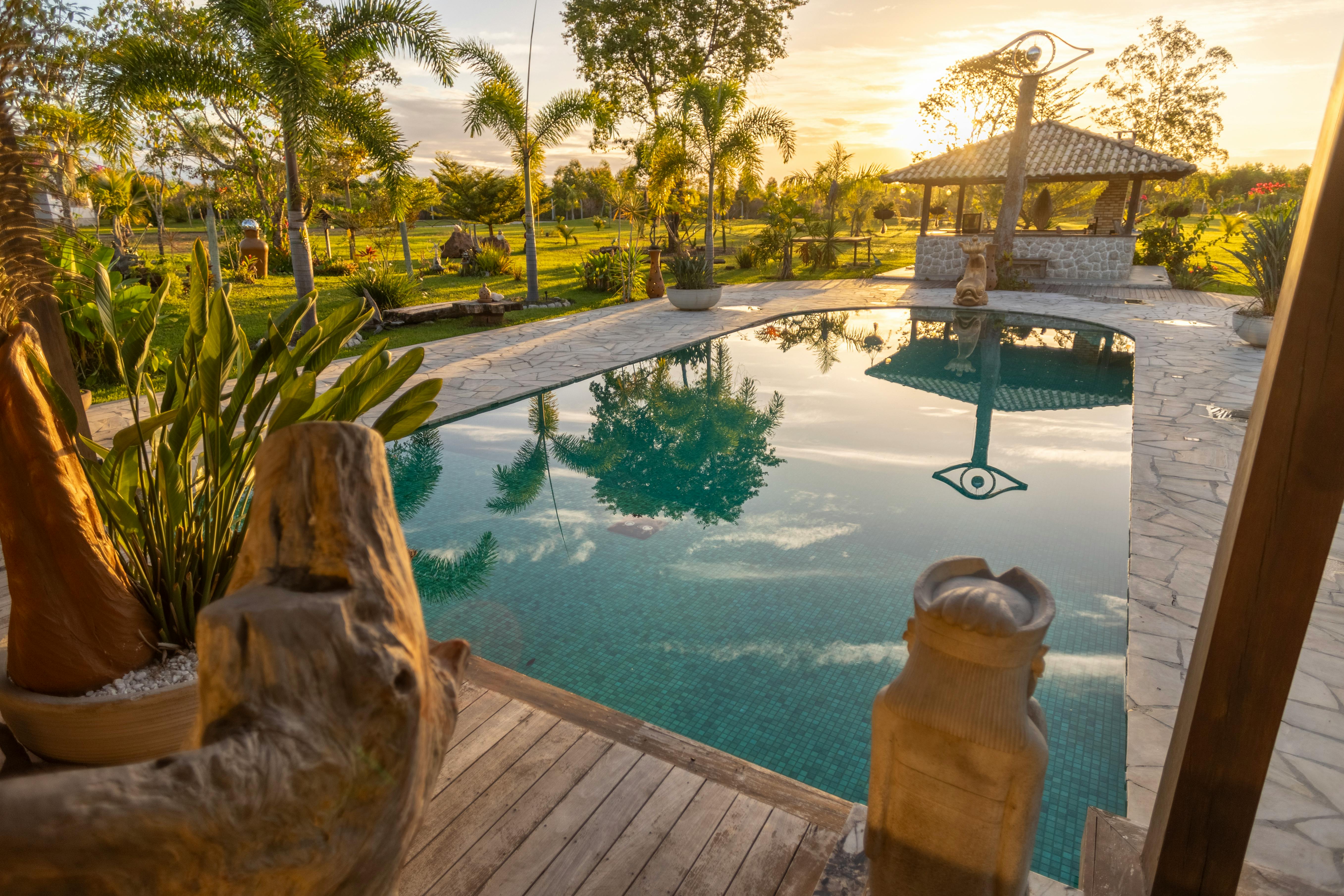
Serene Windsor near Coimbatore is the farmstay that checks every box on this list. A working farm with seasonal vegetables, coconut palms, and banana groves. Farm-to-table meals prepared by a resident kitchen team from produce grown on the property. Full-property exclusivity — one group at a time, every time. A hosting team that lives on the farm. A 50 ft × 20 ft private pool. All-inclusive pricing at ₹50,000/night for up to 15 guests.
It is the farmstay near Coimbatore that demonstrates what the category looks like when done properly.
Read more: What is a Farmstay? First-Timer's Guide | Farmstays Near Coimbatore — Complete Guide 2026