When most travelers think of Tamil Nadu, they picture crowded hotels in Ooty, business properties in Chennai, or the predictable temple circuits. But Tamil Nadu holds some of India's most authentic, lesser-known luxury experiences—if you know where to look. A luxury farmstay south India has become the best-kept secret for travelers seeking something genuinely different: privacy, immersion in nature, and access to incredible local food.
If you're tired of standard hotel stays and ready to discover what actually makes Tamil Nadu special, this guide reveals the offbeat accommodation options that most tourists completely overlook.
Why Most Tourists Miss the Best of Tamil Nadu
The problem with mainstream Tamil Nadu tourism is standardization. You get chain hotels that could exist anywhere, packaged tour experiences, and crowded heritage sites. You don't get Tamil Nadu.
The real magic happens in the quieter corners: working farmlands with private pools, century-old heritage homestays in handsome Chettinad mansions, colonial-era plantation bungalows tucked into the Western Ghats, and intimate coastal hideaways where you might be the only guests.
These aren't marketed heavily. They don't have massive booking page presences. But they're out there, offering what a luxury farmstay south India should actually deliver: genuine connection to place, people, and culture.
The Case for a Luxury Farmstay South India
Before diving into specific locations, let's establish what makes a luxury farmstay south India different from a standard resort stay.
A proper luxury farmstay isn't just a villa with a farm aesthetic. It means:
- Full property privacy: No other guests during your stay. The entire space—pool, gardens, dining areas—belongs to you.
- Authentic farm experience: Actual agricultural operations. You can walk orchards, meet farmers, understand seasonal farming.
- Farm-to-table meals: Food prepared from what's grown on the property, not sourced from wholesale markets.
- Connection to the landowner: These are owner-operated properties. You're not interacting with corporate hospitality—you're guests of someone who loves their land.
- Genuine escape: Limited WiFi isn't a bug; it's a feature. The silence is real.
This is what separates a luxury farmstay south India from a "rustic resort." The difference is profound.
Offbeat Accommodation Options Across Tamil Nadu
1. Private Pool Farmstays Near Coimbatore (Pollachi Area)
The Coimbatore region, particularly around Pollachi and toward the Anaimalai Hills, is emerging as India's premier luxury farmstay south India destination. This area offers:
- 20-50 acre private farmlands with fruit orchards, vegetable gardens, and spice plantations
- 30-45 minute drives from Coimbatore city (close enough for travel, far enough for isolation)
- A mild climate year-round (unlike Ooty's tourist season constraints)
- Access to incredible Nilgiri teas, fresh produce, and local cuisine
- Proximity to natural attractions (waterfalls, trekking, wildlife)
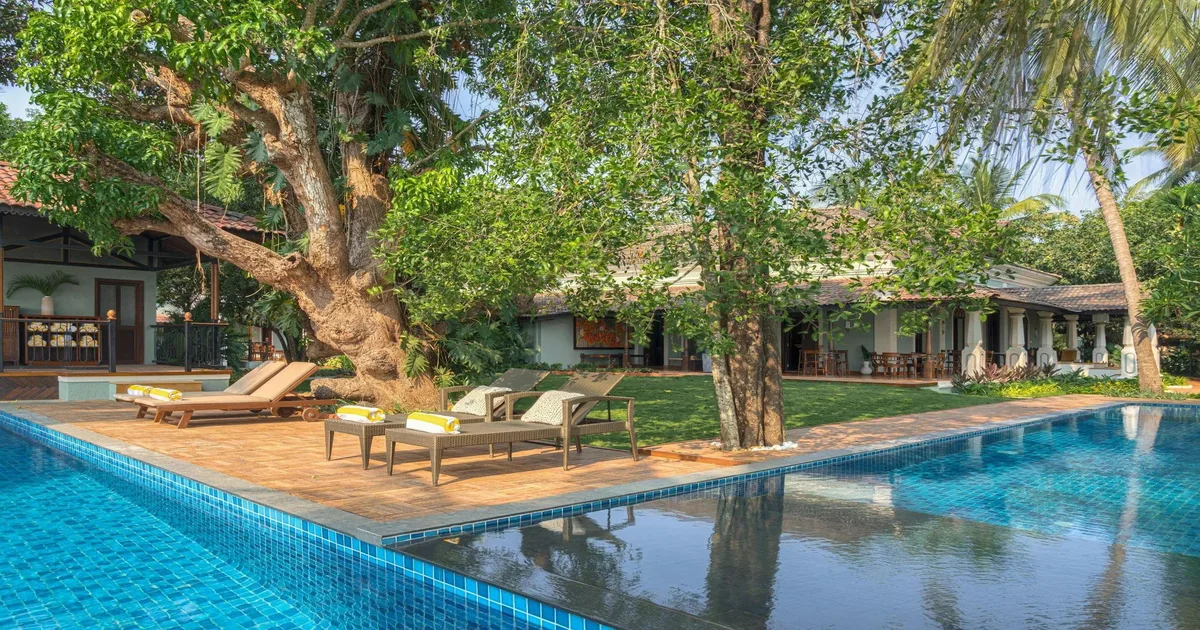
Properties here typically feature 50×20 foot private pools, full property bookings, and farm-to-table dining. The experience centers on privacy and nature immersion. These aren't Instagram-heavy properties; they're genuinely quiet. Your phone likely won't have strong signal, and that's intentional.
Why it matters: You're staying on an actual working farm. In the morning, you might encounter the farmer irrigating fields. For lunch, your meal ingredients were picked 6 hours earlier.
2. Heritage Homestays in Chettinad Region
The Chettinad region (between Madurai and Puducherry) is home to one of India's most stunning architectural traditions: massive, ornate mansions built by merchant communities in the 1800s-1900s.
Some property owners have converted these ancestral homes into intimate 4-8 room heritage stays. Staying in a Chettinad mansion isn't just accommodation—it's living in architectural history.
What to expect: Hand-carved wooden pillars, elaborate courtyards, period furniture, and owners who can speak for hours about the region's merchant trading history. Meals are traditional Chettinad cuisine. The experience feels like staying with wealthy relatives.
These aren't luxury in the modern sense (no infinity pools). They're luxury in the sense of authenticity and cultural depth—something far rarer.
3. Plantation Bungalows Near Valparai
Valparai, in the Anaimalai Hills, is one of South India's most underdeveloped tea plantation regions. That's exactly why it's special.
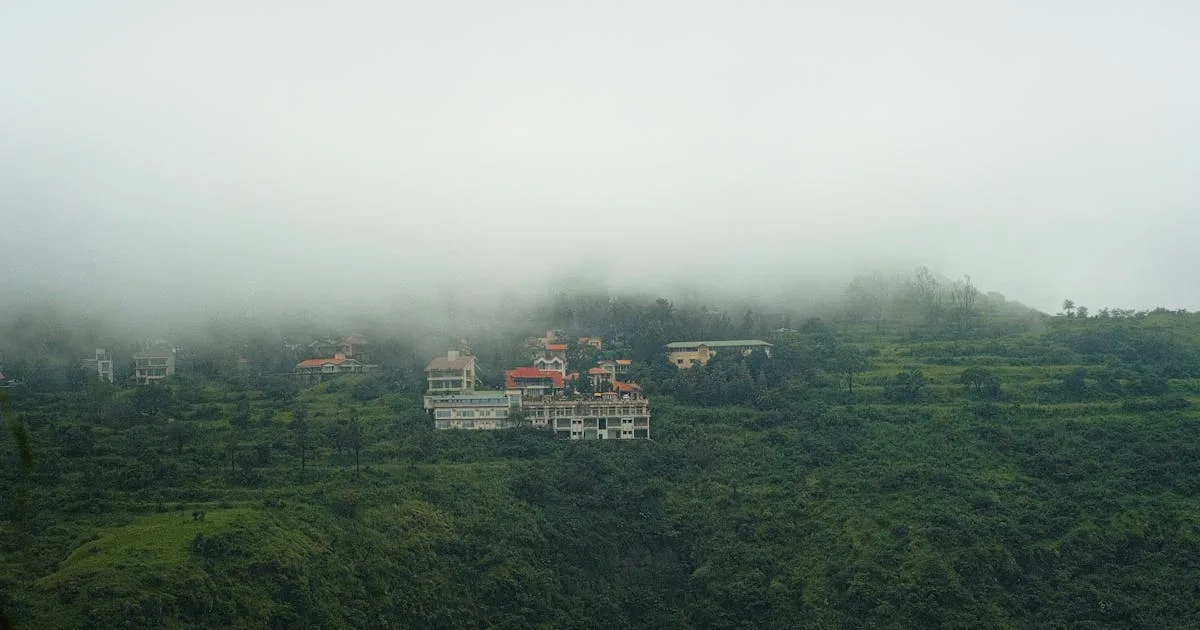
A handful of property owners have renovated old colonial plantation bungalows—some 60+ years old—into intimate, rustic-luxury stays. These properties sit within working tea estates with 360-degree views of terraced plantations.
The experience: Walks through tea gardens, meeting plantation workers, understanding the seasonal tea-picking process, and evenings listening to nothing but forest sounds. These properties typically have 4-6 rooms and feel more like countryside house stays than hotels.
Valparai is genuinely off-the-beaten-path. Most tourists don't even know it exists.
4. Coastal Hideaways (Kodaikanal Surroundings)
While Kodaikanal town gets crowded, the surrounding villages—particularly toward the smaller lakes and forested edges—hide small, family-run properties.
These 3-5 room farmstays and villas offer lake views, forest access, and a slower pace than hill station resorts. Some focus on yoga and wellness; others on nature and silence.
The advantage: proximity to Kodaikanal's attractions without Kodaikanal's crowds.
5. Backwater Homestays in Tranquebar Region
The Tranquebar coast (north of Pondicherry) and surrounding areas have modest but charming homestays in villages rather than resorts. These are run by families, often former fishermen or farmers, and offer authentic coastal Tamil Nadu life.
Not fancy. But genuine and immensely memorable.
The Gold Standard: What to Look For in a Luxury Farmstay South India
If you're evaluating a luxury farmstay south India property, these criteria matter most:
- Full property exclusivity: Does your booking mean no other guests? This is non-negotiable for genuine privacy.
- Actual farming operations: Are there actual crops, orchards, or livestock? Or is "farm" just theming?
- Owner involvement: Is the owner present and involved, or is this managed by a third party?
- Farm-to-table authenticity: Can they explain where each meal ingredient comes from?
- Minimal commercial feel: Does it feel like a hotel, or like a private residence?
- Reasonable size: 50-100 acre properties are optimal. Larger often means less intimate; smaller sometimes means less farming.
Making Your Booking
The challenge with offbeat accommodation is discoverability. These properties often rely on word-of-mouth and direct bookings rather than large OTA platforms.
When researching:
- Check Google reviews for specific mentions of "peaceful," "quiet," "only guests," and "food from the property"
- Contact the property directly with specific questions about farming operations
- Request recent photos of actual guest experiences (not just architectural beauty shots)
- Ask about weather and season—many farmstays are best during specific months
Why This Matters
The future of travel is moving away from standardized resort experiences toward genuine immersion. Travelers increasingly want:
- Privacy and solitude (not crowds)
- Authentic local food (not adapted menus)
- Connection to land and community (not curated tourism)
- Spaces that feel lived-in (not designed for Instagram)
A luxury farmstay south India delivers all of this. It's not a trend; it's the direction thoughtful travel is heading.
Ready to Experience an Offbeat Luxury Farmstay in Tamil Nadu?
Serene Windsor, a private pool farmstay on 53 cents near Coimbatore, represents everything this guide celebrates: full property privacy, working farmland, farm-to-table excellence, and genuine connection to place. When you book Serene Windsor, you're not just getting accommodation—you're experiencing authentic Tamil Nadu hospitality at its finest.